Our Story
The Origin
PatternGeeks began with something deeply personal. The company was founded by Marsha Meytlis, PhD, a mother of two children with epilepsy who is also a computational neuroscientist and built the centralized data science function from the ground up at Northwell Health, a 21-hospital system. She had experienced firsthand how frightening and stressful life becomes after an epilepsy diagnosis, not just for the individual but for the entire family.
The initial idea emerged from a very real fear: the constant worry of a seizure happening while her son was at school. She spent countless hours pacing outside his school building in freezing temperatures, wanting to be close enough just in case something went wrong. Those hours sparked a vital question. Could modern technology provide an at-home EEG solution that would make life safer and a little less uncertain?
The First Prototype
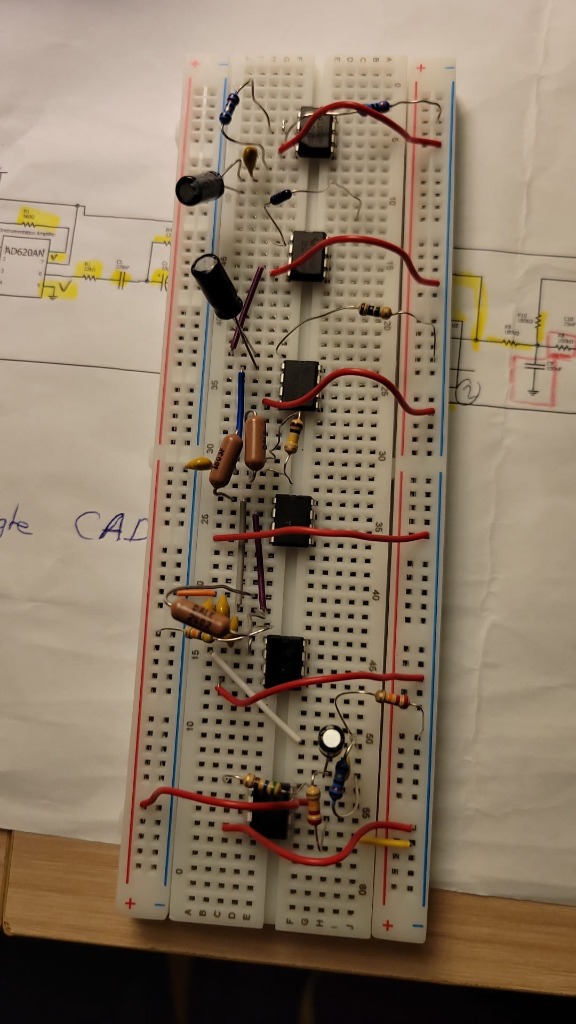 While pacing outside the school, she began listening to electronics lectures on her phone, determined to teach herself the fundamentals of hardware engineering. That self-taught knowledge was soon put to the test. Using a simple breadboard, basic resistors, amplifiers, and wires, and working from an open DIY EEG circuit design, she built her first EEG prototype at home.
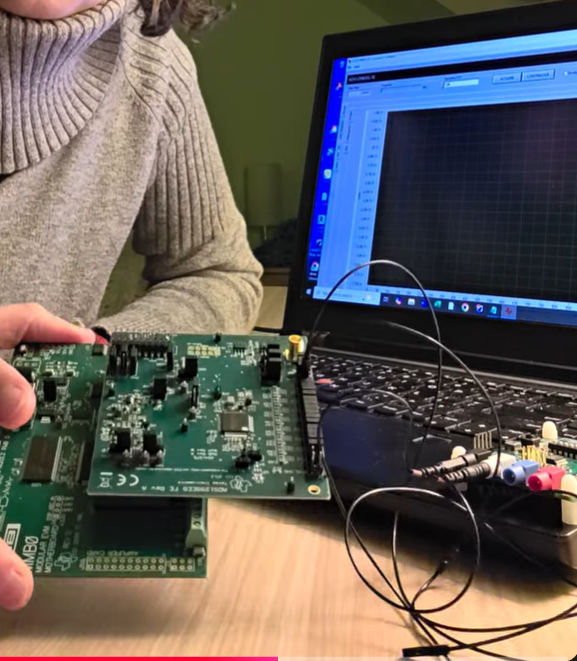 Though the prototype was crude, it proved that the concept was viable. Seeking to improve it, Maxim Adelman, an embedded systems engineer and early advisor to the company, recommended experimenting with an ADS1299 evaluation board, a specialized platform designed for acquiring the very small voltages that EEG requires. Lacking the budget for expensive new equipment, she borrowed an old Windows 8 computer from her son's nanny. That aging machine and a makeshift workbench became the foundation of the very first PatternGeeks lab.
Despite these early milestones, the pace of development felt too slow. Through a mutual connection with Katya Sverdlov, she discovered BrainBit and its software development kit. Integrating existing hardware allowed PatternGeeks to accelerate significantly without having to reinvent the wheel.
Our First Accelerator, The Leap
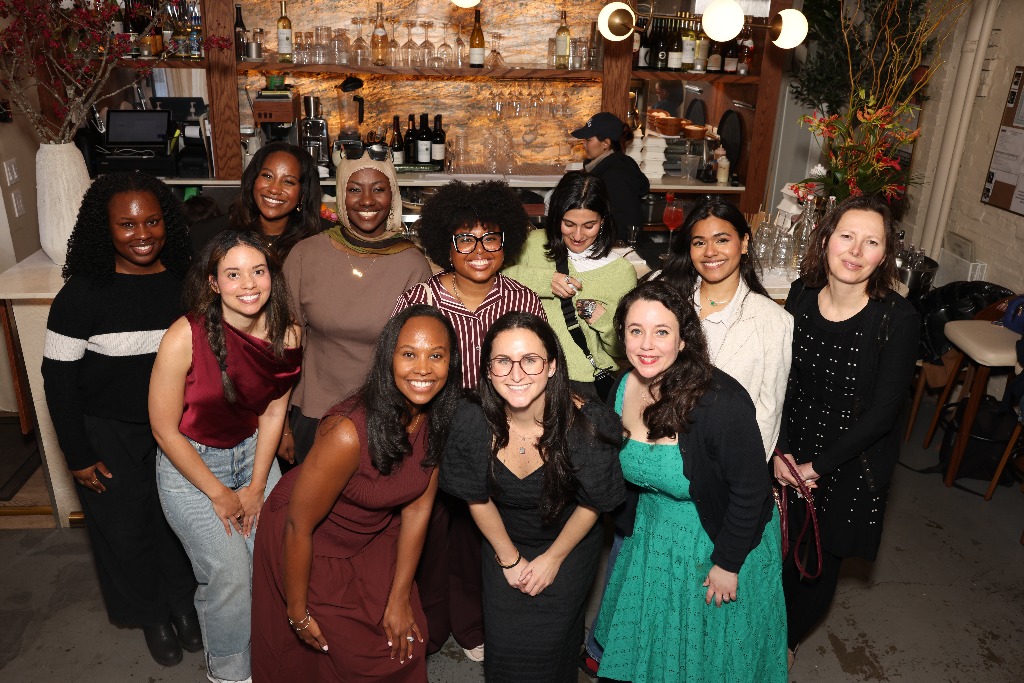
Around the same time, the vision was further validated when she was accepted into The Leap, an accelerator for women founders created by Erika Hairston, from a pool of more than 2,000 applicants.
From Earpiece to Headband
PatternGeeks also ran a successful Kickstarter campaign. We first started with an earpiece but then pivoted to a headband because we realized that we could not collect sufficient data with an earpiece for our use case. We want to thank Glen Randell, Dr. Michael Noll-Hussong, Natasha Shamis, Sylvie Yeranotsian and Misha Gorn for supporting our campaign.
Building Our Mobile App and Machine Learning Model
A major breakthrough arrived when PatternGeeks joined the AOT program and brought on 14 summer interns, all high school and college students. In just six fast paced weeks, this small but highly determined team built a complete system for ingesting EEG data into Microsoft Azure. They also developed an initial machine learning model for seizure detection research using a public EEG dataset. For the founder, this was definitive proof of what a focused, dedicated team could achieve.
AOT Alumni
MOBILE APP BACKEND
- Kamari Shabazz
- Kevin Chen
- Muntashir Adnan
MOBILE APP UX/UI
- Elizabeth Luna Perez
- Kimberly Belduma
- Jamie-Lee Chery
WEB AND UX/UI
DATA SCIENCE
AGENTIC AI
- Fatimah Sheik
- Yaritza Villafuerte
- Nicolas Ramos
The Mission Today
What began with a mother pacing outside a school has grown into a serious engineering effort spanning wearable hardware, cloud infrastructure, and machine learning. PatternGeeks is still early in its journey, but the core purpose remains unchanged: to build better, more accessible tools for people living with epilepsy, and to support the families who navigate that uncertainty every single day. That is the problem PatternGeeks was created to help solve, and it is the work the team intends to keep pursuing as it grows.